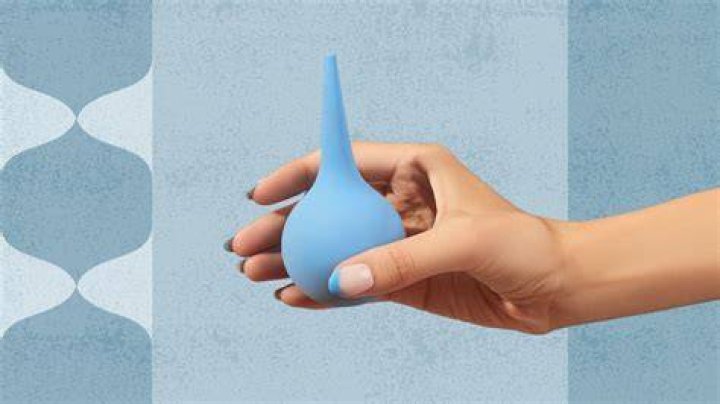
The intersection of enema and spanking, often referred to as enema spanking, is a practice that sits at the crossroads of personal health routines and intimate dynamics. While it may sound unusual to many, it has a documented history and a contemporary following within certain communities. This article aims to provide a factual, balanced, and comprehensive overview of what enema spanking entails, its origins, the reasons people engage in it, and the critical safety considerations that must not be overlooked. We will approach this topic with the seriousness it deserves, separating fact from fiction and offering clear, actionable information.
What Is Enema Spanking? A Clear Definition
At its core, enema spanking refers to the act of administering a spanking—typically on the buttocks—while an enema is being given or shortly thereafter. The enema itself involves introducing fluid into the rectum and colon to stimulate bowel evacuation. The spanking component can range from light, rhythmic taps to more intense strikes, depending on the context and consent of the participants.
It is important to understand that this practice is not a medical procedure. It is a personal or shared activity that combines elements of physical stimulation, ritual, and sometimes power dynamics. The term is most commonly used within discussions of alternative lifestyles, intimate relationships, or niche wellness practices. The key distinction is that the enema is not merely a medical intervention but an integral part of the experience.
Historical and Cultural Roots
The practice of enema spanking is not a modern invention. Its roots can be traced back to various historical and cultural contexts where enemas were used for health, purification, or ritualistic purposes. In the 19th and early 20th centuries, enemas were a common home remedy for constipation and other ailments. During this period, spanking was also a widely accepted form of discipline or punishment.
Some historical accounts suggest that the combination of the two emerged in certain households as a form of "corrective" or "therapeutic" treatment, particularly for children or individuals deemed to be "hysterical" or "difficult." However, these historical practices are now widely considered abusive and are not endorsed by modern medical or psychological professionals. The contemporary understanding of enema spanking is almost entirely divorced from these historical abuses and is instead framed within the context of consensual adult activities.
Modern Interpretations and Communities
Today, enema spanking is most frequently discussed within online forums, alternative lifestyle communities, and among individuals exploring specific forms of sensory play. It is not a mainstream practice, but it has a dedicated, if small, following. Participants often describe it as a way to combine physical sensation with a sense of vulnerability, trust, and ritual. The practice is sometimes linked to BDSM (Bondage, Discipline, Dominance, Submission, Sadism, and Masochism) dynamics, where it can serve as a form of power exchange or sensory exploration.
Why Do People Engage in Enema Spanking?
Understanding the motivations behind enema spanking requires looking beyond the surface. For many, it is not about pain or discomfort but about the unique combination of sensations and psychological states it creates. Several key reasons are commonly cited by those who practice it.
Sensory and Psychological Factors
The enema itself produces a distinct sensation of fullness and pressure in the lower abdomen. When combined with the sharp, stinging sensation of a spanking, the result is a complex sensory experience that some find intensely stimulating. The vulnerability of the position—often lying face down or bent over—can also heighten feelings of trust and surrender between partners. This psychological component is often as important as the physical one.
Ritual and Connection
For some couples or individuals, enema spanking becomes a ritual. The preparation, the administration, and the aftercare can all be part of a structured experience that fosters intimacy and communication. It requires a high degree of trust, as one partner is in a physically vulnerable state. This shared vulnerability can strengthen emotional bonds when practiced safely and consensually.
Exploration of Power Dynamics
Within the context of BDSM, enema spanking can be a tool for exploring power dynamics. The person administering the enema and the spanking may take on a dominant role, while the recipient adopts a submissive one. The practice can be a way to enact a scene that involves control, discipline, or caretaking, depending on the agreed-upon framework.
Critical Safety Considerations and Risks
This is the most important section of this article. Enema spanking carries significant physical and psychological risks that must be understood before any attempt is made. Ignoring these risks can lead to serious injury or trauma.
Physical Risks of Enema Administration
Administering an enema incorrectly can cause harm. Using water that is too hot can burn the delicate lining of the rectum. Using too much fluid or applying it too quickly can cause cramping, nausea, or even perforation of the colon. Repeated enemas can disrupt the natural balance of gut bacteria and lead to electrolyte imbalances. The spanking component adds another layer of risk. Striking the lower back or tailbone area can cause bruising, nerve damage, or injury to the coccyx.
Risks of Combining the Two
When enema and spanking are combined, the risks multiply. The spanking can cause involuntary muscle contractions, which may interfere with the enema's intended effect or cause discomfort. If the recipient is in a position that restricts their ability to signal distress, the risk of injury increases. Furthermore, the psychological intensity of the experience can lead to emotional overwhelm if not managed carefully.
Medical Contraindications
Certain medical conditions make enema spanking particularly dangerous. These include, but are not limited to:
- Hemorrhoids or anal fissures
- Inflammatory bowel disease (Crohn's disease, ulcerative colitis)
- Recent abdominal or pelvic surgery
- Heart conditions or high blood pressure
- Pregnancy
- Any condition that causes abdominal pain or bleeding
Anyone considering this practice should consult a healthcare provider first. This is not a suggestion; it is a medical necessity.
Best Practices for Those Who Choose to Proceed
If, after understanding the risks, an individual or couple still wishes to explore enema spanking, there are best practices that can minimize harm. These guidelines are based on principles of safety, consent, and communication.
Informed Consent and Communication
Before any activity begins, both partners must have a clear, sober conversation about boundaries, limits, and expectations. This includes discussing what type of spanking is acceptable, how much fluid will be used, and what signals will indicate discomfort or the need to stop. A "safe word" or "safe signal" is non-negotiable.
Proper Equipment and Technique
Use only equipment designed for enema administration, such as a reusable enema bag or bulb syringe. Never use harsh chemicals or soaps. Use lukewarm, clean water or a commercially prepared saline solution. The fluid should be introduced slowly and gently. The spanking should be administered with an open hand or a soft implement, avoiding the lower back and tailbone. Start with very light taps and increase intensity only if both partners are comfortable.
Aftercare and Monitoring
After the activity, both partners should engage in aftercare. This involves checking in emotionally, providing comfort, and monitoring for any signs of physical distress, such as severe pain, bleeding, or difficulty urinating. If any concerning symptoms arise, seek medical attention immediately. Do not hesitate.
Common Misconceptions and Myths
Several myths surround enema spanking, and it is important to address them directly. One common misconception is that it is a form of medical treatment. It is not. Another is that it is inherently dangerous or abusive. While it can be both if done without consent or care, the same can be said for many activities. The key is context, consent, and competence.
Another myth is that enema spanking is always part of a BDSM dynamic. While it can be, many people practice it purely for sensory or ritualistic reasons without any power exchange. Finally, some believe that it is a "gateway" to more extreme practices. There is no evidence to support this. Like any niche activity, it is simply one option among many for those who are curious.
Legal and Ethical Considerations
From a legal standpoint, enema spanking falls into a gray area in many jurisdictions. While consensual activities between adults are generally protected, any activity that causes injury or is non-consensual can lead to criminal charges. It is crucial that all participants are of legal age and capable of giving informed consent. Ethically, the practice must be grounded in mutual respect and a genuine desire for the well-being of all involved. Coercion, deception, or pressure to participate are never acceptable.
Frequently Asked Questions
Is enema spanking safe?
It carries significant risks, including physical injury and psychological distress. It can be made safer through proper education, communication, and medical consultation, but it is never without risk.
Do I need special equipment?
Yes. You need a proper enema kit (bag or bulb syringe), clean lukewarm water or saline solution, and a soft implement for spanking if desired. Never improvise with household items.
Can enema spanking cause long-term damage?
Yes. Repeated or improper use can lead to bowel dysfunction, electrolyte imbalances, anal fissures, or nerve damage. This is why caution is paramount.
Is this practice related to BDSM?
It can be, but it is not inherently so. Many people practice it outside of a BDSM context, focusing instead on sensory or ritualistic aspects.
Should I talk to a doctor before trying it?
Absolutely. A healthcare provider can assess your individual health risks and advise you on whether it is safe for you. This is a non-negotiable step.
What should I do if something goes wrong?
Stop immediately. If there is severe pain, bleeding, or difficulty breathing, seek emergency medical care. Do not try to treat serious symptoms at home.
A Balanced Perspective on a Niche Practice
Enema spanking is not a topic that lends itself to simple judgments. It is a practice that exists on the fringes of both health and intimacy, and it demands a level of responsibility that many other activities do not. For those who approach it with caution, education, and mutual respect, it can be a meaningful part of their personal or shared experience. For others, it will remain an obscure curiosity. The most important takeaway is that safety, consent, and communication are not optional—they are the foundation upon which any such practice must be built. Understanding the risks is the first step toward making an informed decision, whether that decision is to explore further or to walk away.
